·7 min read
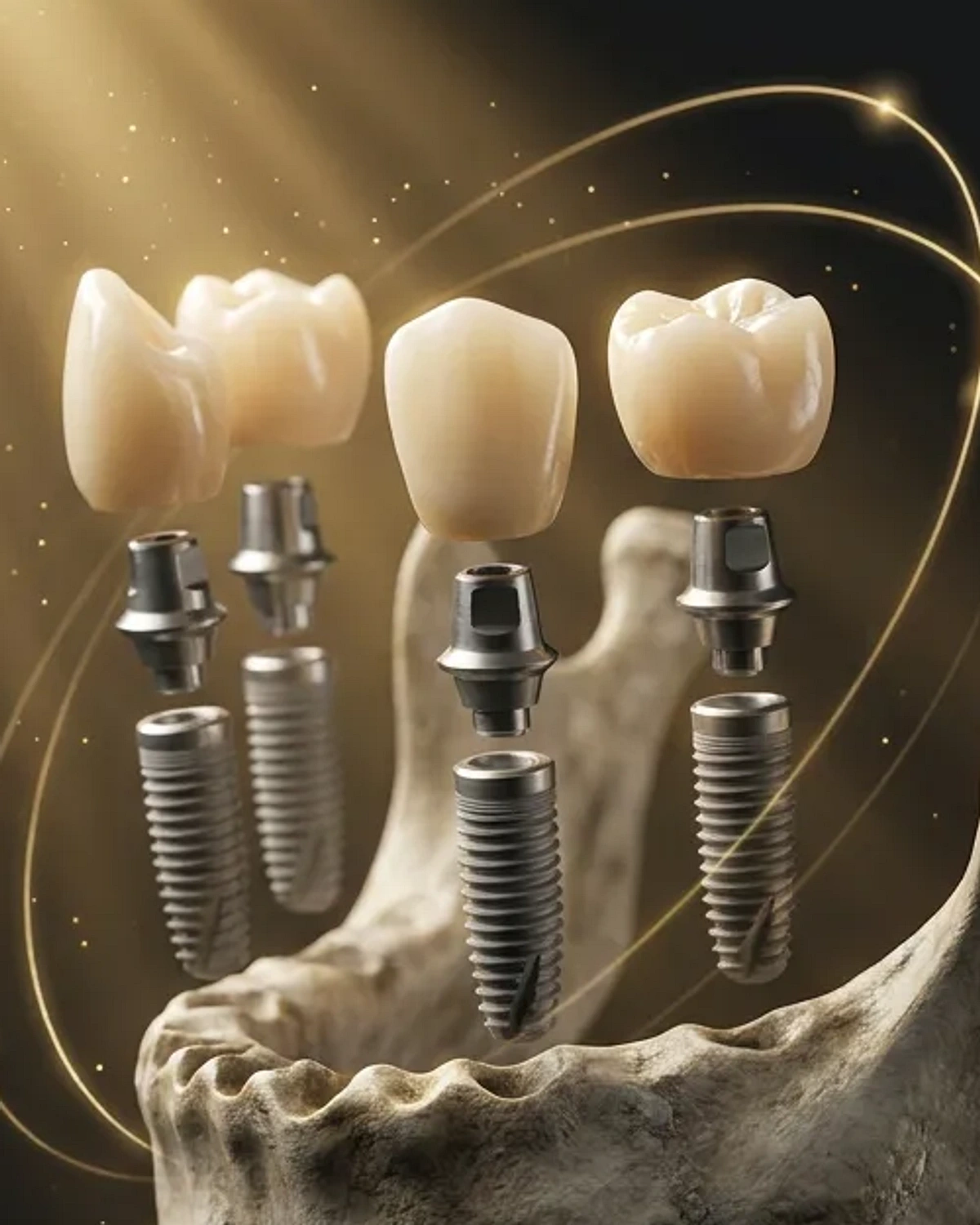
How long do veneers actually last?
The honest range is ten to fifteen years, and almost everything that shortens it is decided before the veneer is ever bonded.
General information, not a treatment instruction. Recovery differs from patient to patient, and the guidance your own surgeon gives you after your operation always takes priority over anything written here. If you are worried about something, message the clinic rather than waiting.
The number, and what it is made of
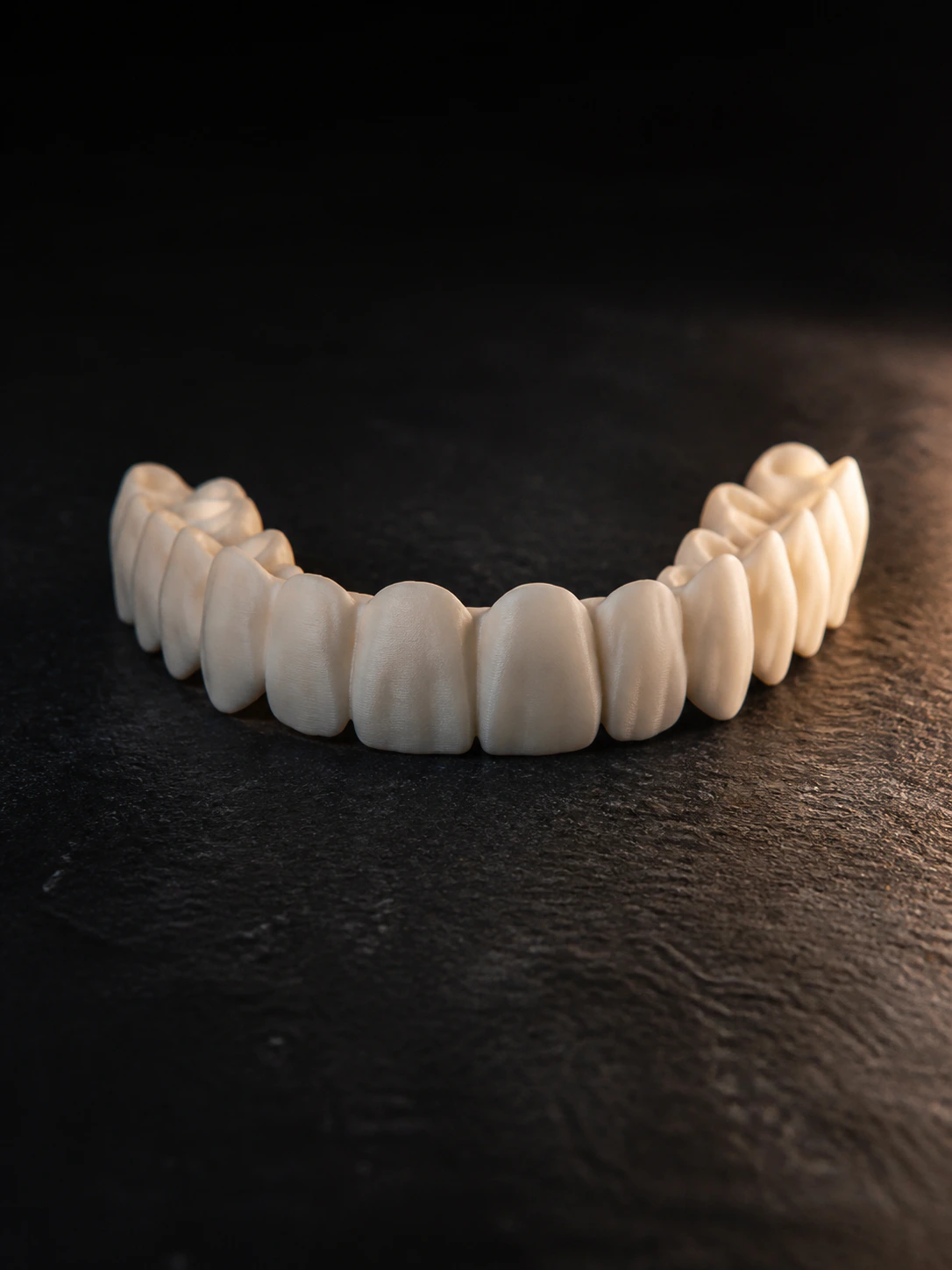
For porcelain veneers bonded to healthy enamel, ten to fifteen years is the range the clinical literature supports, and a well-kept case can pass twenty. Composite veneers are a different product with a different life — three to seven years is realistic, because the material stains and chips in a way ceramic does not.
Treat any single headline number with suspicion, including ours. A veneer does not have a shelf life; it has a set of failure routes, and how long yours lasts is decided by which of those routes your mouth exposes it to. That is worth understanding before you spend money on a set.
What actually ends a veneer's life
- The bond fails at the margin. Ceramic bonds to enamel far better than it bonds to dentine. If a large amount of enamel was removed, the weakest part of the restoration was created on day one.
- New decay under or beside the veneer. The veneer itself cannot decay. The tooth carrying it can, and that is the most common reason a sound-looking veneer has to come off.
- Grinding. Night-time clenching applies forces ceramic was never asked to absorb. This is not a small factor — untreated bruxism is the single fastest way to break a set.
- Gum recession. The gum line moves over the years and can expose the junction between veneer and tooth, which is a cosmetic failure long before it is a structural one.
- Trauma. Ice, bottle caps, fingernails, a hockey puck. Ceramic is hard and brittle; it resists wear and dislikes impact.
The enamel decision is the one that matters
A veneer requires some tooth surface to be reduced so the ceramic has room to sit without looking bulky. How much is removed is the most consequential decision in the whole treatment, and it is made before anything is bonded.
Minimal preparation keeps the bond on enamel, which is where ceramic performs best, and leaves a future dentist options. Aggressive preparation — reducing the tooth until it resembles a crown stump — produces a fast, dramatic result and permanently commits that tooth to being restored for the rest of your life. Both are sold under the word 'veneers'.
What you can change, and what you cannot
You cannot change how much enamel is already gone, and you cannot change the shape of your bite by wishing. You can change almost everything else, and the difference between the low and high end of that ten-to-fifteen year range is mostly habit.
- Wear the night guard if you are given one. Patients who grind and skip the guard are the group that returns earliest.
- Clean the margin, not just the face. Decay starts at the gum line, which is exactly where a soft brush and floss are least thorough.
- Keep the check-ups. A margin beginning to leak is repairable; the same margin found two years later usually is not.
- Do not open things with your teeth. This sounds trivial and it is responsible for a meaningful share of fractures.
- Coffee, tea and red wine stain the natural teeth beside the veneers, not the ceramic — which over years makes the veneers look wrong even though nothing has failed.
Replacement is normal, not a failure
A veneer reaching the end of its life after fifteen years has done its job. Replacement means removing the old ceramic and bonding new, usually without further reduction if the first preparation was conservative — which is the practical reason conservative preparation is worth insisting on.
Plan for this financially. A set of veneers is not a one-time purchase in the way an implant largely is; it is a restoration with a maintenance horizon, and any clinic implying otherwise is selling you something it cannot guarantee.
When veneers are the wrong answer
- Significant crowding or a bite that needs moving. Veneers can mask a small misalignment; used to hide a real orthodontic problem they need heavy tooth reduction and fail early.
- Active gum disease. The foundation is treated first — bonding ceramic over inflamed tissue buys an appearance and loses a tooth.
- Heavily filled or root-treated teeth. There may not be enough sound structure to bond to, and a crown is the more honest restoration.
- Untreated grinding. The guard and the cause come first, or the ceramic pays for it.
We say no to veneer cases for these reasons regularly. It is the same reasoning set out in our page on when implants are not the answer, applied to a different treatment.
Related treatments
Before you book anything
Send your X-ray. Get an honest answer.
Tell us what is going on and Dr. Hatice reviews it herself, then tells you what is actually possible — including when the answer is no.
- Every case personally reviewed by Dr. Hatice
- We say so when implants are not right for you
- 5 languages spoken
- 25 min from Istanbul Airport
- Written quote before you fly
- Aftercare continues once you are home
More articles
- 9 min readWhy two implant quotes for the same mouth are never the same price
- 5 min readWhen we say implants are not the answer
- 6 min readFlying home after implant surgery

- 6 min readWhat you can eat after implant surgery, week by week
- 8 min readAfter implant surgery: what happens in the first 14 days